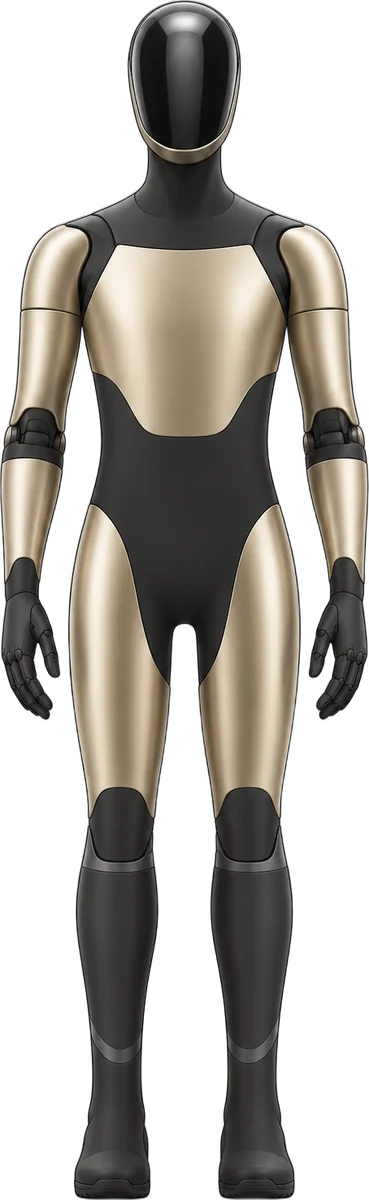
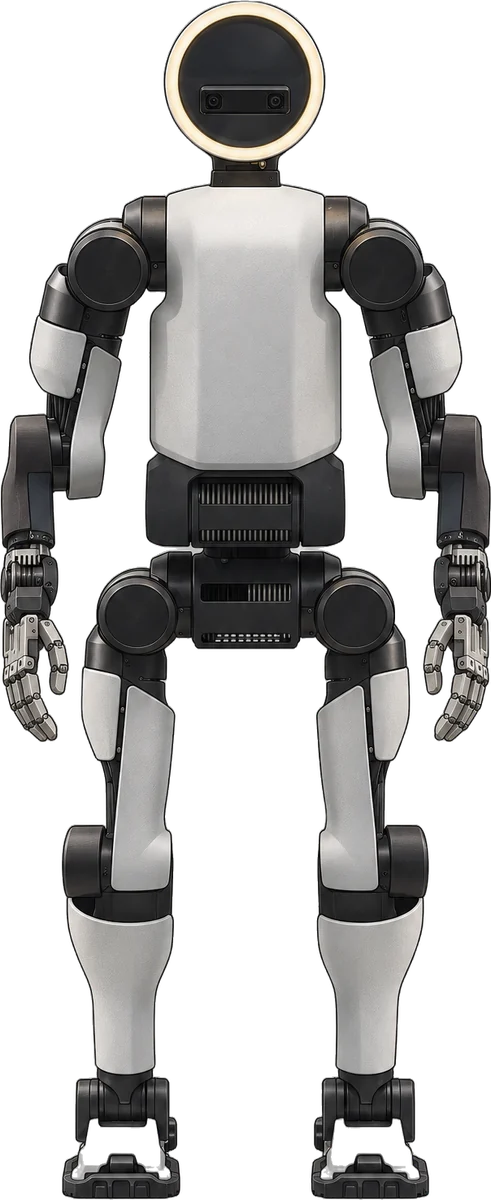
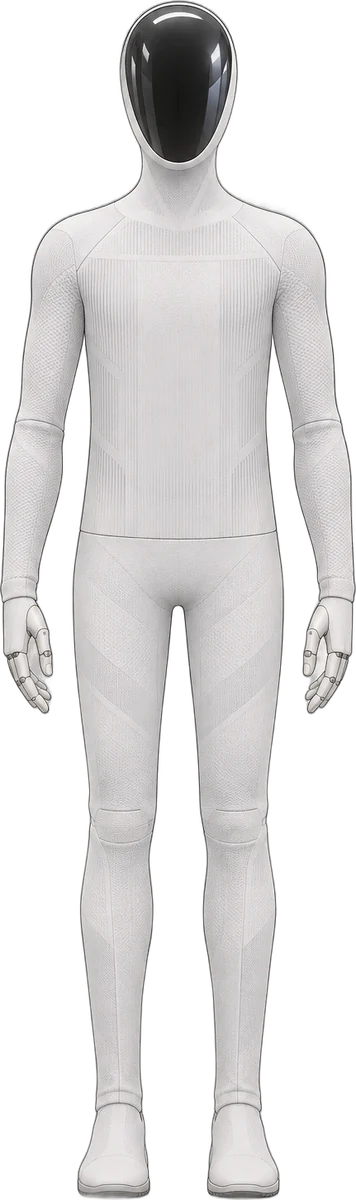
Humanoid robot hands: degrees of freedom, types, and how Optimus, Atlas and others compare
Short answerData as of November 15, 2026
The hand is often called the hardest part of a humanoid to build. Across the 72 robots where Wingchiki has confirmed hand degrees of freedom, the median is 11 per hand and 6 is the most common. 16 robots have hands with 20 or more, and Optimus V3 and NEO have 22 (as of 2026-11-15).
A robot hand is the end of a humanoid's arm that grips, turns objects and uses tools. It is hard enough that people say it is tougher than walking. Tesla said at its October 2026 earnings call that the hand is the hardest part of the hardware.
What are degrees of freedom in a robot hand?
Degrees of freedom (DoF) are the number of joints that can move independently. The human hand is usually described as having more than 20. The more DoF a robot hand has, the more finely it can move, but each one adds a motor, so the hand gets heavier, costlier and has more parts that can fail. Wingchiki records DoF per hand.
How dexterous are humanoid robot hands?
Here is how the 72 robots with confirmed hand DoF break down (as of 2026-11-15).
- 286 or fewerMostly pick-and-place. 6 DoF is the most common, with 22 robots
- 287 to 15Hands where some fingers bend further
- 1616 or moreCloser to a human hand. The highest is 36
- 11MedianAcross 72 robots
How do the major humanoid hands compare?
| Robot | DoF per hand | Fingers | Confidence |
|---|---|---|---|
| Optimus V3 | 22 | - | Reported (before official unveiling) |
| NEO | 22 | 5 | Official |
| IRON | 21 | 5 | Official |
| Atlas | 13 | 4 | Official (new hand, October 2026) |
| Walker S2 | 11 | 5 | Reported |
| Unitree G1 | 7 | 3 | Official (optional Dex3-1 hand on the EDU version; the base model has no hands) |
More DoF does not always mean a better hand. In October 2026 Boston Dynamics raised the Atlas hand from 7 to 13 DoF but dropped the fifth finger, explaining that it cut cost and the risk of failure.
Types of robot hands
Common approaches
- GrippersGrip with two or three jaws. Simple and robust, so they are common in factory work.
- Dexterous hands (five fingers)Shaped like a human hand. Aimed at using tools and turning objects within the hand.
- Tendon-drivenInstead of motors inside the fingers, motors in the forearm pull on cables. This keeps the hand light.
- Tactile sensorsSense pressure at the fingertips and palm. Important for holding fragile objects.
Who makes dexterous robot hands?
Some robot makers build their own hands, and others buy them from hand specialists. Wingchiki's parts supply chain has 15 hand supply records. China's Inspire Robots is reported to supply dexterous hands to AgiBot, UBTECH, Unitree and others (reported). The UK's Shadow Robot supplied its DEX-EE hand to Google DeepMind (official). In Korea, Wonik Robotics supplied hands based on the Allegro Hand to Meta (official).