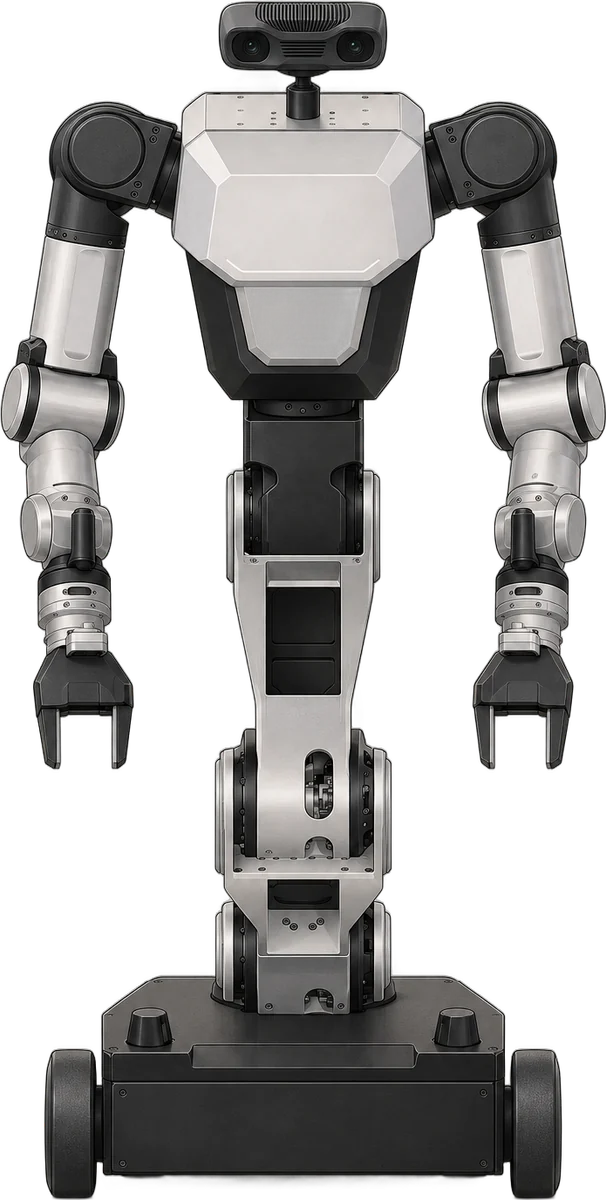
What is a humanoid robot? Definition, types, and humanoid vs android
Short answerData as of November 9, 2026
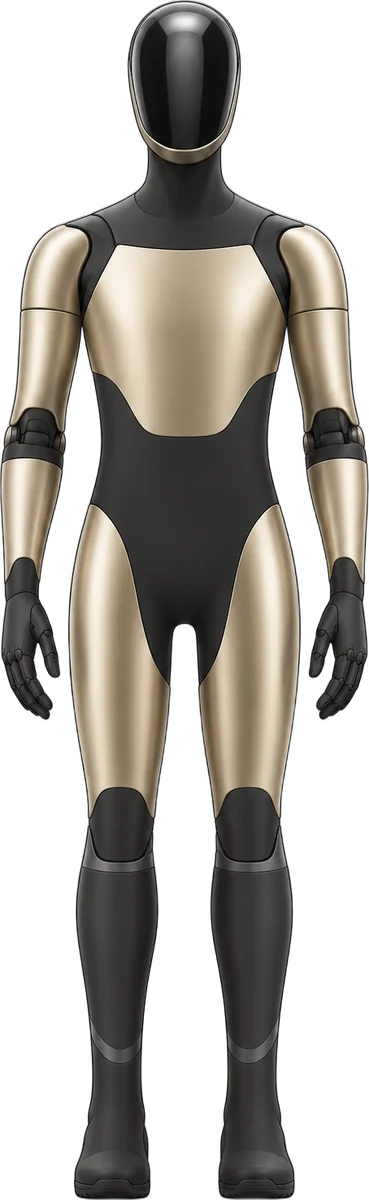
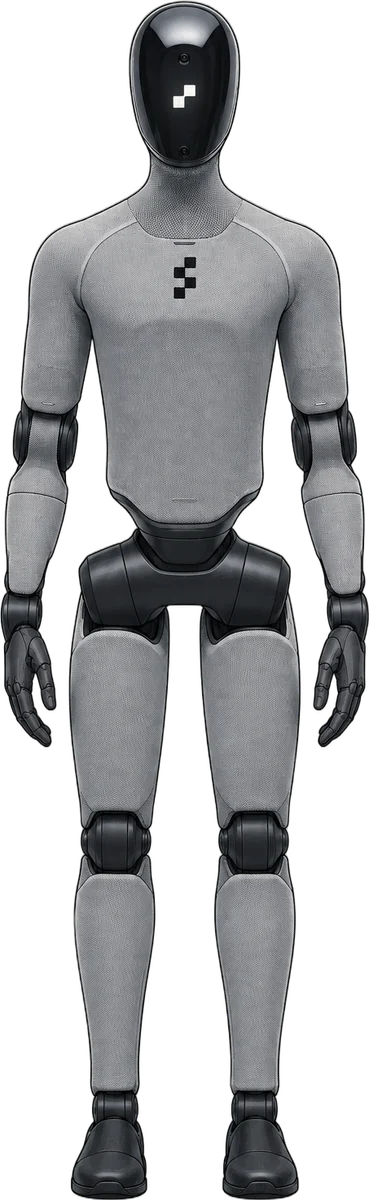
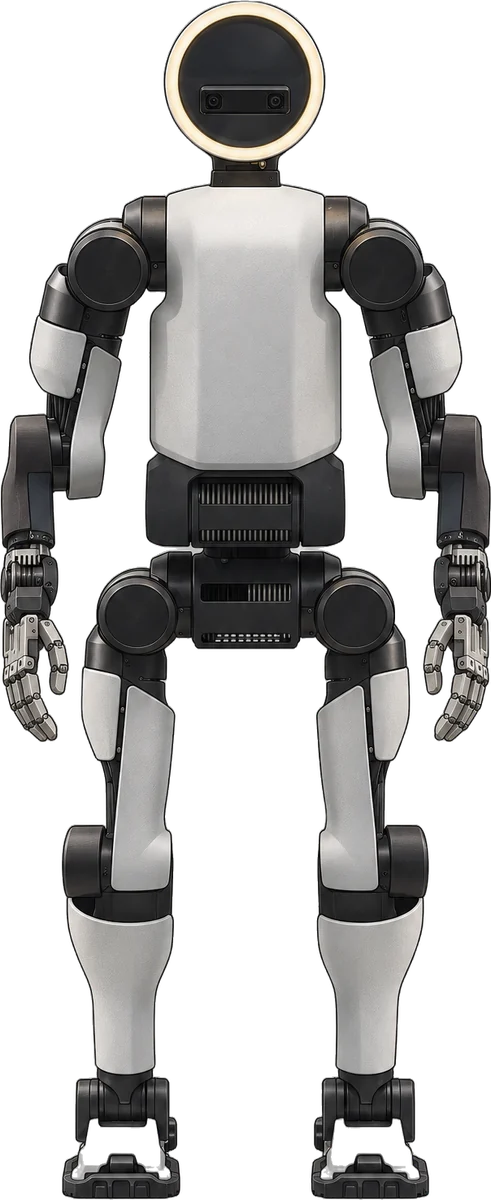
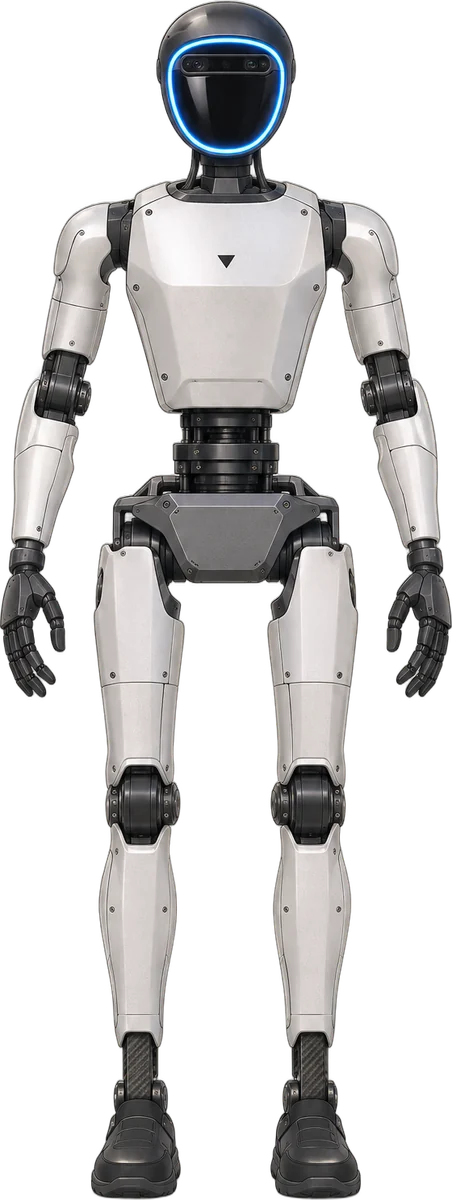
A humanoid robot is a robot built with a human-like body plan: a head, a torso, two arms and usually two legs. It is shaped this way so it can work in spaces and with tools made for people. An android goes further and copies human appearance, such as skin and a face.
A humanoid robot is a robot with a body plan similar to a human's. It has a head, a torso and two arms, and it usually walks on two legs. What matters is not whether it looks like a person, but that its body can move through spaces built for people and use the tools people use.
Why build a robot in human shape?
Factories, warehouses and homes are all built around the human body: door handle heights, stair widths, shelf spacing, tool grips. A robot with a human-like body can work in these places without changing them. Companies also want one machine that can switch between many tasks, unlike an industrial robot arm that repeats one job.
A human shape is not always the best answer, though. If a robot only moves boxes on a flat floor, wheels are cheaper than legs and run longer on a charge. That is why robots with a human-like upper body on a wheeled base are now also counted as humanoids.
Types of humanoid robots
Wingchiki groups humanoids into three body types. The counts below cover the 337 models currently on record, excluding discontinued ones (Wingchiki count, as of 2026-11-09).
Humanoids by body type
- Bipedal (176 models)Walks on two legs. Can handle stairs and thresholds, but balance control is hard and costs are higher. Examples: Optimus V3, Figure 03, Atlas, Unitree G1
- Wheeled (147 models)A human-like upper body with two arms and a head on a wheeled base instead of legs. Stable on flat factory and warehouse floors. Examples: RB-Y1, Galbot G1
- Hybrid (14 models)Combines legs and wheels, or changes form.
By use, humanoids fall into factory and logistics, home, commercial and service, and research and education robots. Many robots target more than one of these.
Humanoid vs android vs cyborg
- Humanoid: Defined by a human-like body structure. A robot with a bare metal and plastic body is still a humanoid.
- Android: A robot made to look almost exactly like a person, down to appearance such as skin and facial expressions. Every android is a humanoid, but not every humanoid is an android.
- Cyborg: Not a robot. It means a person (or other living being) with body parts replaced or enhanced by machines.
Optimus, Figure 03 and Atlas, the robots in the news today, are all humanoids, not androids. You can compare the height and weight of Atlas and Unitree G1 in Unitree G1 vs Atlas.
How far along are humanoid robots today?
Wingchiki records each robot's development stage. Here is how the 337 models break down as of 2026-11-09.
- 148Concept or prototypeShown in demos but not yet working on site
- 58PilotIn trial operation at factories or stores
- 40Mass productionThe company has announced mass production
- 91On salePriced and taking orders
189 models have reached a working site (pilot or later). By body type, that is 98 of the 147 wheeled models and 82 of the 176 bipedal ones, so wheeled humanoids are getting to work sites faster. See the tracker for counts by stage, country and body type.